Experiential Events Company vs. Traditional Event Planner: What's Actually Different
Search "experiential events company" and you'll get a hundred agencies claiming to do it. Search a little further and you'll notice most of them are traditional event planning firms that added the word "experiential" to their homepage sometime in the last three years. The service didn't change. The vocabulary did.
If you're a Fortune 500 brand evaluating partners for your next activation, that distinction isn't semantic — it's the difference between an event people attend and an event people remember.
Event Planning Manages Logistics. Experiential Design Builds a Narrative.
A traditional event planner starts with a checklist: venue, catering, AV, timeline, run of show. Execute the list well, and the event goes off without a hitch. That's the job, and plenty of planners do it competently.
An experiential events company starts somewhere else entirely: what does the attendee feel in the first ninety seconds, and what do we want them to walk away believing about the brand? Every decision — the entry sequence, the lighting, the sound design, the way staff are briefed to interact with guests — gets built backward from that emotional target. The logistics still have to be flawless. They're just not the starting point.
Three Signs You're Looking at a Real Experiential Partner
1. They ask about your brand before they ask about your budget. A planner asks how many people, what date, what venue. An experiential agency asks what you want people to feel, what story you're trying to tell, and how this event fits into a longer relationship with your audience. Budget comes later — it has to, because the creative direction determines what's worth spending on.
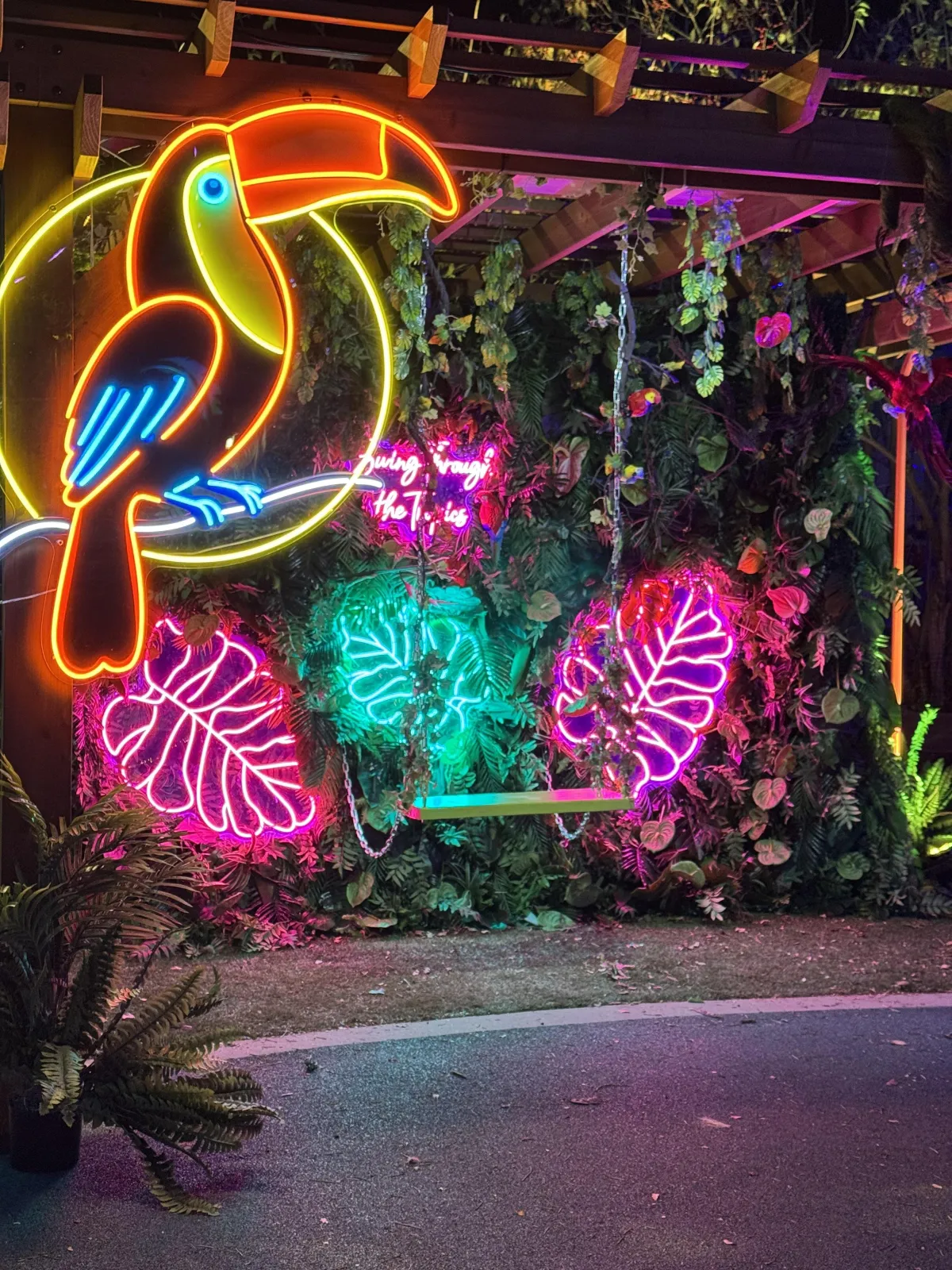
2. Their portfolio shows environments, not floor plans. Ask to see past work. If what comes back is banquet layouts and stage diagrams, you're looking at a planner. If it's immersive environments, branded installations, and moments designed to be photographed and shared, you're looking at a real experiential team.
3. They have in-house creative and production capability. Anyone can hire subcontractors for lighting, projection mapping, or custom fabrication. An experiential agency typically has these disciplines in-house or under tight creative direction, because a subcontracted vendor executes a brief — a creative partner builds the brief with you.
Why This Distinction Costs Companies Money
We see this pattern constantly with Fortune 500 marketing teams: a brand hires a well-regarded event planning company, gets a smoothly run event, and still comes away disappointed. Nothing went wrong. Nothing went right either. The event was competent and forgettable, and forgettable is expensive when you've spent six figures on it.
The cost of hiring a planner for an experiential brief isn't a bad event — it's a wasted opportunity. You paid for attention and got attendance instead.
What to Ask Before You Sign
Who leads the creative concept, and what's their background — production, design, or logistics?
Can you walk me through how a past project moved from concept to execution?
What happens to the environment and story after the event — does it live on in content, or does it end when the lights go down?
If the answers all point back to logistics, you have a capable planner. If they point to a point of view about brand experience, you're talking to an experiential events company — the kind built to make your event the thing people are still talking about a month later.
Looking for a partner who designs experiences instead of just executing checklists? Talk to our team about your next activation.